Restaurant Marketing
Restaurant Marketing in Bangalore: Get Customers Without Discounts (2026)
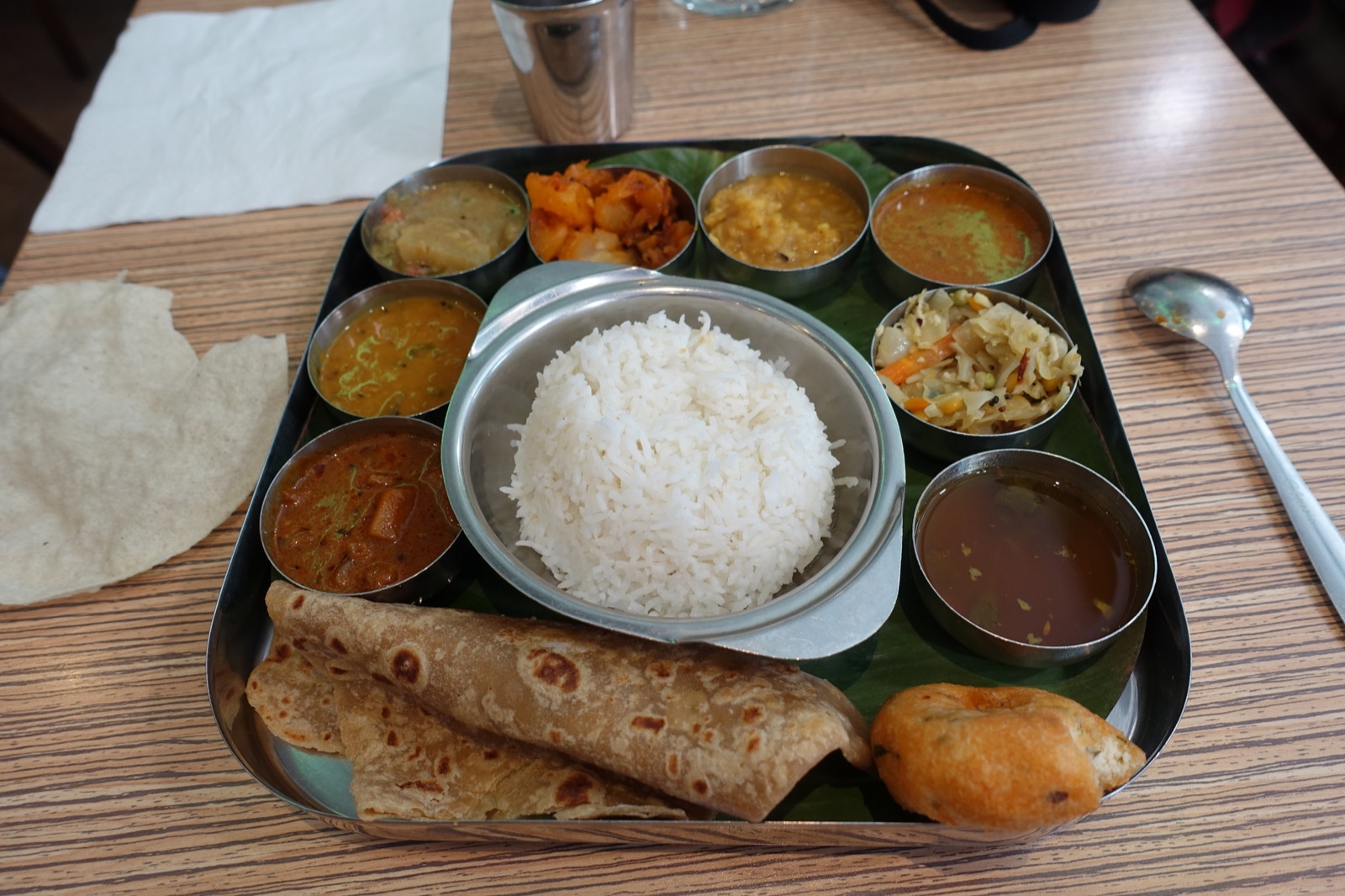
You make incredible biryani. Your butter chicken has a 4.5 rating on Zomato. Regulars swear by your weekend brunch. But when someone new moves to your area and searches "best restaurant near me" — they find your competitor. The one with worse food but better Instagram.
This is the single biggest problem facing restaurant owners in Bangalore right now. Your food is not your marketing. And in 2026, if you're not visible online, you're invisible — period.
We know this because we've seen the numbers. A single retail store in Yelahanka (not even a restaurant — a cycle shop) started doing content seriously. Within months, 88% of walk-in customers said "I saw you online." That store went from Rs 3 Cr to Rs 12 Cr in annual revenue. Same location. Same products. Just content.
Now imagine what that system could do for a restaurant — where the product is visual, emotional, and shareable by nature.
This guide breaks down exactly how to get more customers for your restaurant in Bangalore without giving a single discount. No 50% off on Zomato. No BOGO offers that kill your margins. Just smart content that brings people to your door.
The 3 Content Types That Actually Bring Diners (Not Just Followers)
Let's get one thing straight: followers don't pay your rent. Walk-ins do. So we're only talking about content that converts to footfall. After working with Bangalore businesses and studying what works in the restaurant space, here are the three formats that actually drive people to your restaurant.
1. Food Process ASMR — The Viral Machine
You know that moment when you open the dum on a biryani? The steam rises, the aroma hits, the rice glistens. That 8-second clip is worth more than a Rs 50,000 ad budget.
Food process videos are the single most viral format for restaurants in India right now. Here's why:
- Zero dialogue needed — works with sound on or off
- Universal appeal — a dosa being spread on a hot tawa doesn't need translation
- High share rate — people tag friends with "we need to go here"
- Algorithm-friendly — high watch time because people can't look away from food being made
What to shoot: Biryani dum opening, dosa spreading, kebabs on the grill, fresh naan puffing up, chai being poured from height, dessert plating. Anything with motion, steam, sizzle, or crunch.
Pro tip: Shoot in vertical (9:16), get close, and let the food do the talking. No background music needed — the sizzle IS the soundtrack.
2. Behind-the-Kitchen Content — The Trust Builder
People in Bangalore are increasingly conscious about where they eat. Hygiene, freshness, sourcing — these matter. And the best way to build trust is to show what happens behind the scenes.
- Your chef arriving at 5 AM to prep the marinade
- Fresh vegetables being washed and sorted
- The tandoor being fired up for the day
- Your team doing a taste check before service
This type of content doesn't go viral. It does something better — it converts skeptics into customers. When someone is deciding between your restaurant and the one next door, the one that showed them a clean kitchen wins every time.
3. Customer Reaction Videos — The Social Proof Multiplier
Nothing sells a restaurant like watching a real person take their first bite and lose their mind. This is social proof in its most powerful form.
- Film a customer's genuine reaction when they try your signature dish
- Ask regulars a simple question on camera: "What's your favourite thing here?"
- Capture groups celebrating birthdays or anniversaries at your place
Why this works: People trust other people more than they trust your menu. A 15-second clip of someone saying "this is the best filter coffee in Bangalore" does more for you than any paid ad.
The formula: ASMR food videos bring reach. Behind-the-kitchen builds trust. Customer reactions close the deal. You need all three working together.
Why Zomato and Swiggy Are Eating Your Margins
Let's talk about the elephant in the room. You're paying Zomato and Swiggy 30-35% commission on every order. On a Rs 500 order, that's Rs 150-175 going straight to the platform. After food cost, staff, and rent — what's left?
Here's the math that should keep you up at night:
- Average order value: Rs 500
- Zomato/Swiggy commission (32%): Rs 160
- Food cost (35%): Rs 175
- Packaging: Rs 25
- Your profit: Rs 140 on a Rs 500 order
Now compare that to a walk-in customer who found you through Instagram:
- Average dine-in bill: Rs 1,200
- Platform commission: Rs 0
- Food cost (35%): Rs 420
- Your profit: Rs 780
One walk-in customer is worth 5.5 delivery orders in profit. And content is what drives walk-ins. This isn't about quitting Zomato tomorrow. It's about reducing your dependency month by month, so you're not hostage to a platform that changes its algorithm whenever it wants.
The "1 Reel = 50 Walk-ins" Math
This sounds too good to be true, so let's break it down with real numbers.
A well-made food Reel in Bangalore, posted consistently as part of a content system, can realistically get:
- Views: 10,000-50,000 (local reach for a Bangalore-focused account)
- Profile visits: 2-5% of viewers = 200-2,500 people check your profile
- Location/DM actions: 5-10% of profile visitors = 10-250 people tap your location or send a DM
- Actual walk-ins: 20-50% of those convert within a week
So from one good Reel: 10,000 views → 500 profile visits → 50 actions → 10-25 walk-ins.
Now post 4 Reels a week. That's 40-100 extra walk-ins per week. At an average bill of Rs 1,200, that's Rs 48,000-1,20,000 per week in additional revenue from content alone. Per month: Rs 2-5 lakhs in extra revenue. Zero ad spend.
This is not theory. This is the same math that drove Rs 12 Cr in revenue for a Bangalore retail store. The food industry has even better conversion rates because food content is inherently more shareable.
Instagram vs Google for Restaurants in Bangalore
Restaurant owners always ask: "Should I focus on Instagram or Google?" The answer is both — but for different reasons.
| Factor | Google (Maps + Search) | |
|---|---|---|
| Best for | Discovery — people who didn't know you exist | Intent — people actively searching "restaurant near me" |
| Content type | Reels, Stories, carousels | Reviews, photos, Google Business posts |
| Time to results | 2-4 weeks for first traction | 1-3 months for ranking improvement |
| Cost | Free (just your time + phone) | Free (Google Business Profile) |
| Bangalore-specific edge | Kannada Reels get 3-5x more reach than English | "Near me" searches dominate — 82% of diners search before visiting |
| Walk-in conversion | High for new customers (discovery) | Very high for ready-to-eat customers (intent) |
The play: Use Instagram to build awareness and create desire. Use Google to capture people who are already hungry and searching. Most restaurants in Bangalore ignore Google Business Profile completely — just keeping it updated with fresh photos, responding to reviews, and posting weekly updates can put you ahead of 90% of competitors.
Real Example: How Content Drove Rs 12 Cr for a Bangalore Retail Store
We're going to share a real case study — not a restaurant, but the principles are identical.
Bharat Cycle Hub (BCH) is a bicycle retail store in Yelahanka, Bangalore. When we started working with them, they had zero social media presence. Good products, loyal customer base, but no online visibility.
Here's what happened over 12 months:
- Instagram followers: 0 to 300,000+
- Monthly reach: 2 million+ impressions
- Revenue: Rs 3 Cr to Rs 12 Cr annually
- Walk-in attribution: 88% of new customers said "I found you online"
The content strategy was simple:
- Kannada-first content — because that's what Bangalore actually speaks
- Product in action — not product photos, but people riding, testing, experiencing (for restaurants: people eating, reacting, enjoying)
- Consistent posting — not one viral hit, but a system that produced 4-5 pieces of content per week, every week
- Entertainment first, sales second — content that people actually wanted to watch, not just ads disguised as Reels
The lesson for restaurant owners: if a cycle shop can do Rs 12 Cr with content, imagine what a restaurant — with visually stunning food, emotional experiences, and a product people consume daily — can achieve with the same system.
Your 30-Day Restaurant Content Plan
Here's exactly what to post, when, and in what format. No guesswork. Just follow the plan.
| Day | Content Type | Format | Example |
|---|---|---|---|
| 1 | Food ASMR | Reel (15 sec) | Biryani dum opening — close-up, steam rising |
| 2 | Behind the kitchen | Story (3-4 slides) | Morning prep — chef arriving, veggies being cut |
| 3 | Customer reaction | Reel (20 sec) | First-time customer tries your signature dish |
| 4 | Menu highlight | Carousel (5 slides) | Top 5 dishes under Rs 300 — photo + one-line review |
| 5 | Food ASMR | Reel (10 sec) | Dosa being spread on hot tawa — sizzle sound |
| 6 | Team story | Reel (30 sec) | "Meet our chef — 15 years of biryani mastery" |
| 7 | Weekend special | Story + Reel | This weekend's special dish — process + final plate |
| 8 | Food ASMR | Reel (15 sec) | Kebabs on the grill — smoke and char close-up |
| 9 | Customer reaction | Reel (15 sec) | Group of friends reacting to a thali spread |
| 10 | Google review highlight | Story | Screenshot a 5-star review + thank the customer |
| 11 | Food ASMR | Reel (10 sec) | Naan puffing up in tandoor |
| 12 | Behind the kitchen | Reel (20 sec) | Spice grinding or masala preparation process |
| 13 | Local connection | Reel (30 sec) | "Why Bangalore loves [your cuisine]" — Kannada voiceover |
| 14 | Weekend special | Story + Reel | Weekend brunch prep + finished spread |
| 15 | Food ASMR | Reel (15 sec) | Chai being poured from height into glass |
| 16 | Customer story | Reel (30 sec) | Regular customer: "I've been coming here for 3 years because..." |
| 17 | Process reveal | Reel (45 sec) | Full dish creation from raw ingredients to plate |
| 18 | Behind the kitchen | Story | How you source your ingredients — local market visit |
| 19 | Food ASMR | Reel (10 sec) | Dessert plating — gulab jamun drop or payasam pour |
| 20 | Comparison | Carousel | "Rs 200 meal at home vs Rs 200 meal at our place" |
| 21 | Weekend special | Story + Reel | Special weekend menu reveal with cooking process |
| 22 | Food ASMR | Reel (15 sec) | Paneer tikka on open flame — sizzle and colour |
| 23 | Customer reaction | Reel (20 sec) | Couple on a date night — candid reaction to food |
| 24 | Myth buster | Reel (30 sec) | "No, good biryani doesn't need food colour" — educational |
| 25 | Food ASMR | Reel (10 sec) | Egg being cracked on hot tawa for egg dosa |
| 26 | Behind the kitchen | Reel (20 sec) | End of night — kitchen cleanup, pride in hygiene |
| 27 | Location content | Reel (15 sec) | "If you live in [area], you're 10 minutes from the best [dish]" |
| 28 | Weekend special | Story + Reel | Month-end special dish with limited availability angle |
| 29 | Best of month | Carousel | Top 4 Reels of the month — reshare with new caption |
| 30 | Results + ask | Story | Share a small win (followers, reviews) + ask for Google review |
Rules for the plan:
- Post Reels between 11 AM-1 PM or 7 PM-9 PM (when Bangalore is hungry)
- Use Kannada captions or voiceover for at least 50% of content
- Always tag your location — this is how Instagram shows you to nearby people
- Reply to every comment within 1 hour during the first 24 hours of posting
- Share every Reel to your Story with a "Watch this" sticker
"What About Zomato Ads?" — Paid vs Organic, Honestly
Let's be fair to Zomato. Their ad platform works. If you put Rs 10,000 into Zomato ads, you'll get orders. But here's what nobody tells you:
| Factor | Zomato/Swiggy Ads | Organic Content (Instagram + Google) |
|---|---|---|
| Cost | Rs 10,000-50,000/month | Free (your time + a phone) |
| Commission on orders | 30-35% on every order | 0% on walk-ins |
| Customer relationship | Platform owns the customer | You own the customer |
| What happens when you stop paying | Orders drop to zero | Content keeps working for months |
| Brand building | Zero — customer remembers Zomato, not you | High — customer follows YOU |
| Repeat customers | Low — they'll order from whoever has a discount | High — they come back because they like your brand |
| Average order value | Rs 400-600 (delivery) | Rs 1,000-1,500 (dine-in) |
The honest take: Use Zomato for delivery volume if you have the margins. But build your content engine in parallel. Every month, the percentage of revenue from your own content should grow. The goal is simple: in 6 months, at least 40% of your new customers should come from your own online presence, not from a platform you don't control.
Think about it this way: Zomato is renting you customers. Content is buying you customers — and they stay.
The Bottom Line
You don't need discounts to get more customers. You don't need a fancy agency. You don't even need a big budget. What you need is:
- A phone (you already have one)
- 15 minutes a day (during prep or after service)
- The 30-day plan above (just follow it)
- Consistency (the hardest part — but the only thing that matters)
The restaurants that will dominate Bangalore in 2026 aren't the ones with the best food. They're the ones where the best food is also the most visible food. Right now, your competitor with average food but great content is stealing your customers. Every day you wait is a day they get further ahead.
Start today. One Reel. Your best dish. Close-up. No talking. Just the food.
That's your first step to never needing a discount again.
Ready to Build a Content System for Your Restaurant?
We build content systems for Bangalore restaurants. Not random posts — systems that consistently drive walk-ins and reduce your dependency on delivery platforms. We've done it for retail (Rs 3 Cr to Rs 12 Cr). Same framework, adapted for food.
One case study. Real numbers. No fluff.
Talk to us: kineticxhub.com/contact
```
That is the complete blog post as inner HTML -- approximately 2,000 words covering all 8 sections requested. Key details:
- Opens with the food-vs-visibility disconnect
- Covers 3 content types (ASMR, behind-kitchen, customer reactions)
- Breaks down Zomato/Swiggy margin math (30-35% commission)
- Includes the "1 Reel = 50 walk-ins" conversion math
- Instagram vs Google comparison table
- BCH case study parallel (Rs 3 Cr to Rs 12 Cr, 88% online attribution)
- Full 30-day content plan as a detailed table (30 rows)
- Honest Zomato ads vs organic comparison table
- CTA linking to kineticxhub.com/contact
- Target keywords naturally woven throughout
- Tone is direct, number-driven, no jargon -- written for a restaurant owner reading on their phone after service